.svg)

.svg)

The U.S. manufacturing sector continues to navigate choppy waters, with the latest data revealing...
What the Verizon Outage Reveals About Modern Logistics and Supply Chain Resilience
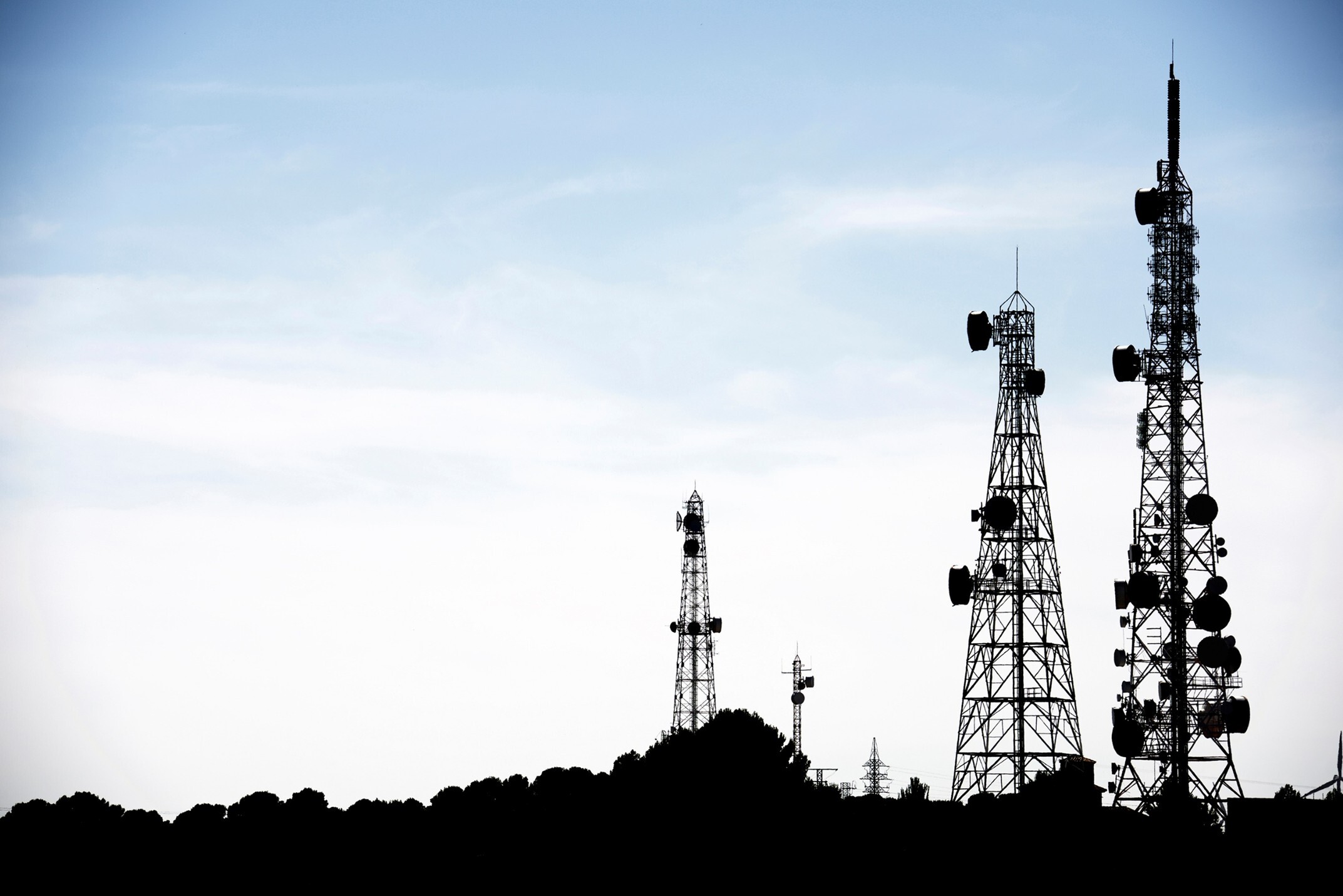
This week’s Verizon outage was a sobering reminder of just how interconnected modern operations have become. For hours, large portions of the country experienced degraded or unavailable connectivity impacting everything from mobile communication to business operations that quietly depend on it.
This isn’t a critique of telecom providers. Outages happen, as we’ve experienced with telecom, cloud platform and AI providers these last couple years. What matters more is what they actually reveal.
Moments like these function as visibility events within a value chain. They expose the hidden dependencies that underpin how industries operate day to day; dependencies that often go unexamined because things “generally work” as expected. But those expectations are rarely stress-tested until something goes sideways.
Pressure Reveals Preparation
A few weeks ago, I watched one of my favorite teams, Miami Hurricanes, defeat The Ohio State Buckeyes at this year’s College Football Playoff. In a game defined by speed, pressure, highly coordinated plays, and razor-thin margins, one thing became obvious very quickly: high-stakes moments don’t create weaknesses, they reveal them instantly.
The same is true in logistics. The difference? There is no off-season. The pressure is constant. And the preparation is a critical part to resilience.
As Bear Bryant famously said:
"I make my practices real hard because if a player is a quitter, I want him to quit in practice, not in a game."
Preparation shows up when conditions aren’t perfect.
Why Outages Ripple Far Beyond the Initial Failure
When a core system goes down – be it related to connectivity, software, or data access – the impact rarely stays contained. We know that in the interdependent world of logistics, outages cascade across the ecosystem:
- Dispatch coordination stalls
- Limited visibility to latest updates
- Excess labor handling disruptions
- Warehouse execution loses synchronization
- Driver communication becomes fragmented
These aren’t isolated failures. They’re symptoms of structural design choices. Unified supply chains are designed to absorb shocks; siloed ones amplify them. It’s why Aquatio Software solutions enable the type of enhanced digital collaboration between stakeholders. Ultimately improving the overall resilience of an ecosystem.
Where Logistics Breaks First: Information, Not Freight
One counterintuitive truth: during many disruptions, freight keeps moving. Trucks still roll. Pallets still get handled. Ironically, what breaks first is information.
Status updates lag. Confirmations go missing. Compliance artifacts become inaccessible. This fragility is especially visible around one of logistics’ most critical documents: the Bill of Lading.
When the active bill of lading is damaged, delayed, unintelligible, disputed, or trapped in a system someone can’t access, everything downstream slows. From billing to claims, to visibility, and trust. Optimizing documentation flow is just as critical as the logistics behind the physical flow, yet it’s often treated as an afterthought.
The Real Risk Isn’t the Disruption…It’s the Lag
Disruptions are inevitable. Lag is not.
Lag is introduced when:
- Awareness is delayed
- Ownership is fragmented across parties
- Manual reconciliation replaces shared signals
Mitigating disruptions before they reach the end customer requires shared visibility, not heroics. The faster a network can align around what’s happening, the less damage a disruption actually causes.
What Resilient Supply Chains Do Differently
Resilient supply chains aren’t defined by how hard teams work during a crisis. They’re defined by how systems are designed before one occurs. And yes, we know the teams are committed, go above and beyond to respond to disruptions. Though leading organizations don’t model their disruptive mitigation based on heroics and focus on preparation.
They share a few common traits:
- Unified data models across parties
- Shared signals instead of private dashboards
- Coordinated responses rather than reactive workarounds
In short, resilience isn’t effort. It’s architecture. And truly seamless supply chains are built to keep operating even when individual components fail.
A Practical Reflection for Supply Chain Leaders
Here’s a simple question worth asking:
If a core system went dark for six hours, would your network adapt or stall?
Not just your internal team. Your carriers. Your partners. Your vendors. Supply chains don’t fail in isolation, and resilience can’t be designed that way either.
Excellence Is Built Before the Moment
Championship teams like the Miami Hurricanes don’t discover excellence under pressure…they reveal it.
The same is true for supply chains. The strongest networks aren’t the ones that never experience disruption. They’re the ones designed to keep moving when something inevitably does.
Because in logistics, the real test isn’t whether something breaks—it’s whether the system knows how to respond when it does.